Podiatrist - Fairfax
9918 Main St
Fairfax, VA 22031
(703) 273-9818


By Family Foot and Ankle Centers
May 15, 2013
Category: Foot Care

Foot SurguryWhen foot problems don’t respond to conservative treatments, your podiatrist may recommend surgery to relieve pain, correct a foot deformity or restore function in your foot and/or ankle. 

Podiatric surgery is performed by board certified foot surgeons who specialize in surgery of the feet and ankles. An expert podiatrist can diagnose the cause of your foot pain and determine whether surgical intervention may be helpful for you based on factors such as type of procedure being performed, your age and medical history.

Family Foot and Ankle Centers offers a variety of surgical procedures aimed to solve your lower extremity pains and deformities. Foot surgery is performed to treat many foot problems including:

  • Bunions
  • Hammertoes
  • Fractures
  • Heel pain
  • Neuromas
  • Flatfoot
  • Warts
  • Nail problems

Surgical treatment for foot and ankle problems can help you return to your active lifestyle while relieving pain and discomfort.  Benefits of surgery include:

  • Resolution of painful, chronic foot problems
  • Increased mobility and ability to perform and participate in everyday activities
  • Improved foot appearance
  • Ability to wear a broader range of footwear and walk more comfortably

Following surgery, your podiatrist will provide you with detailed instructions on caring for your foot/feet during recovery.  Your podiatrist will work with you to ensure the foot heals normally and without complications for the best possible outcome.

When your feet hurt, your entire body hurts. At Family Foot and Ankle Centers, we do everything possible to get you back on your feet with the latest conservative treatments to resolve your problem without surgical intervention. And when conservative methods aren’t responsive, we can provide the highest quality of expert care for all foot and ankle conditions using the most current surgical techniques for shorter recovery times and an enhanced outcome.

By Family Foot and Ankle Centers
May 01, 2013
Category: Foot Care
Tags: Bunions  

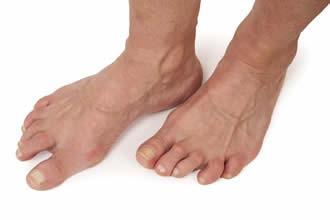
Characterized by a large, unsightly bump on the side of the big toe joint, bunions signal an underlying deformity in the structure of the foot. Left untreated, bunions may become progressively worse, causing severe discomfort, difficulty walking, redness and swelling.

Treatment options vary with the severity of each bunion. Identifying the deformity early in its development is important in avoiding surgery. Common conservative treatments include rest, ice, padding, orthotics and footwear modifications.  Many times a combination of these simple lifestyle changes and non-surgical approaches are enough to relieve the pain and stop the progression of the bunion, although these treatments won’t reverse the actual deformity.

When non-surgical treatments fail to relieve your pain or your bunion is interfering with normal, daily activities, Family Foot and Ankle Centersmay recommend a bunionectomy, which involves the surgical removal of a bunion to reduce pressure and repair the joint. There are a variety of surgical procedures available to treat bunions. The goal of surgery is to correct the deformity by realigning the toe by removing the bony bump and restoring normal, pain-free function.  

When you should consider bunion surgery from your podiatrist:

  • Nonsurgical, conservative treatment has failed to relieve your bunion pain
  • Walking or performing normal, everyday tasks is difficult and painful
  • The simple act of wearing shoes causes pain
  • Your big toe joint is constantly swollen

Your age and health may also determine your candidacy for bunion surgery. Your podiatrist will work with you to determine the best treatment for your individual needs. The podiatric professionals at Family Foot and Ankle Centers have received advanced training in the surgical removal of bunions, relieving the pain and helping patients return to the activities they enjoy.

By Family Foot and Ankle Centers
April 15, 2013
Category: Foot Care

Common Foot InjuriesAn unexpected fall or twist can result in an injury of the foot or ankle, such as a sprain or strain. Immediate first aid can help prevent complications, reduce pain and improve recovery.

Rest, ice, compression, and elevation, commonly referred to as R.I.C.E., is the first and best treatment for minor injuries. The following tips can aid in the early treatment of common foot and ankle injuries to help reduce swelling and control the inflammatory process during the initial phase of injury.

Rest.   Whether you have a strain or a sprain, rest from any physical activity is essential to protecting your injured ligaments, tendons or muscles from further damage while your body starts the repair process.  Avoid putting weight on the injured foot or ankle as much as possible. In some cases, complete immobilization may be required.

Ice.  Gently ice your foot or ankle with ice wrapped in a towel in a 20-minute-on, 40-minute-off cycle for the first few days post-injury. Ice is excellent at reducing inflammation and pain. 

Compression. Applying some type of compressive wrap or bandage to an injured area can greatly reduce the amount of initial swelling.

Elevation.  Prop your foot up while lying down or sitting so that it is higher than or equal to the level of the heart.

After a few days of R.I.C.E., many acute injuries will begin to heal. If pain or swelling does not subside after a few days or if you are unsure of the severity of your injury, make an appointment with your Fairfax podiatrist.   A skilled podiatrist can properly diagnose your injury and recommend the best course of treatment.

By Family Foot and Ankle Centers
April 01, 2013
Category: None
Tags: Untagged

Running Shoes

If you’re a runner, then you know that your shoes are an integral piece of equipment when it comes to comfort, performance and injury prevention.  Your foot type and function will determine which type of running shoe will be best for your unique needs and training regimen. A shoe must properly fit the shape and design of your foot before you can train in it comfortably.

There are several factors to consider when searching for a new running shoe. These may include:

  • Foot structure
  • Foot function
  • Body type
  • Existing foot problems
  • Biomechanical needs
  • Training regimen
  • Environmental factors
  • Previously worn running shoe

Failing to replace old, worn shoes is a major cause of running injuries, as old shoes gradually lose their stability and shock absorption capacity. The typical lifespan of a pair of running shoes is approximately 500 miles. It’s important to keep track of their mileage to avoid overuse.

Helpful tips for choosing your shoes include:

  • Go to a reputable shoe store that specializes in running footwear
  • Bring your old/current running shoes with you
  • Know your foot type, shape as well as any problems you’ve previously experienced
  • Have your feet measured
  • Wear the same socks you wear when training
  • Try on both shoes, and give them a test run

If you’re a beginning runner and just starting your training regimen, then it’s a good idea to visit Family Foot and Ankle Centers for an evaluation. Your podiatrist will examine your feet, identify potential problems, and discuss the best running shoes for your foot structure and type.Seasoned runners should also visit their Fairfax podiatrist periodically to check for potential injuries.

Don’t allow poor shoes choices derail your training program and jeopardize your running goals.  A proper-fitting running shoe is an invaluable training tool that allows you to perform your best without injury or pain. The correct footwear, in combination with a proper training routine and professional attention from a skilled Fairfax podiatrist is the key to minimizing faulty foot mechanicsand maximizing your performance.

By Family Foot and Ankle Centers
March 15, 2013
Category: Foot Care

Physically active feetYour feet are made up of 26 bones, 33 joints, 112 ligaments and a vast network of tendons, nerves and blood vessels.  Each of these parts works in harmony, enabling you to walk, run and jump normally and without pain.  

But before jumping into a rigorous workout or fitness program that involves running, you may want to give your feet some extra attention, starting with a trip to your Fairfax podiatrist. A professional podiatrist can properly examine your feet, detect potential problems, and provide tips for injury-free training and shoe selection.

Beginning runners are not the only ones who should see a podiatrist. Frequent runners should also pay their podiatrist a visit from time to time to check for any stress on the lower extremities brought on by repetitive force.

Common injuries experienced by runners include plantar fasciitis, heel spurts, Achilles tendon and stress fractures.

Helpful Tips for Preventing Injury

In addition to visiting Family Foot and Ankle Centers, you can also prevent injuries that commonly occur during training and running by stretching properly, choosing appropriate footwear and paying attention to pain or signs of an injury. 

  • Stretch

To prevent injury to your lower extremities, it’s important to stretch carefully before beginning any workout regimen. When muscles are properly warmed up and stretched, the risk for injury is greatly reduced. Appropriate stretches include stretching of the hamstring and wall push-ups.

  • Choose Proper Footwear

The type of shoe you should wear also plays an important role in your ability to run without pain and with optimal performance. The shoe that your foot requires will depend on your foot structure and function, your body type, and the type of running or workout regimen. Your podiatrist may also prescribe an orthotic, or shoe insert, to alleviate any foot pain or anomalies.

  • Be Mindful of Injuries

Even with proper footwear and stretching, not all foot problems can be prevented. Whenever you experience pain, stop whatever workout you are doing and rest. As pain subsides, gradually increase exercise with caution.  When pain persists, visit Family Foot and Ankle Centers for a proper evaluation.

New joggers and seasoned runners alike should take the necessary steps to avoid injury to the lower limbs. Consult with your Fairfax podiatrist before start any new workout, and always seek professional care when pain or injury occurs.


This website includes materials that are protected by copyright, or other proprietary rights. Transmission or reproduction of protected items beyond that allowed by fair use, as defined in the copyright laws, requires the written permission of the copyright owners.

Archive:

Categories:

Book Online Now!
Good Morning America video on Laser Fungal Nail
The Laser Nail Center