


Diabetic Foot Care: 5 Ways to Prevent Complications

April 17, 2026

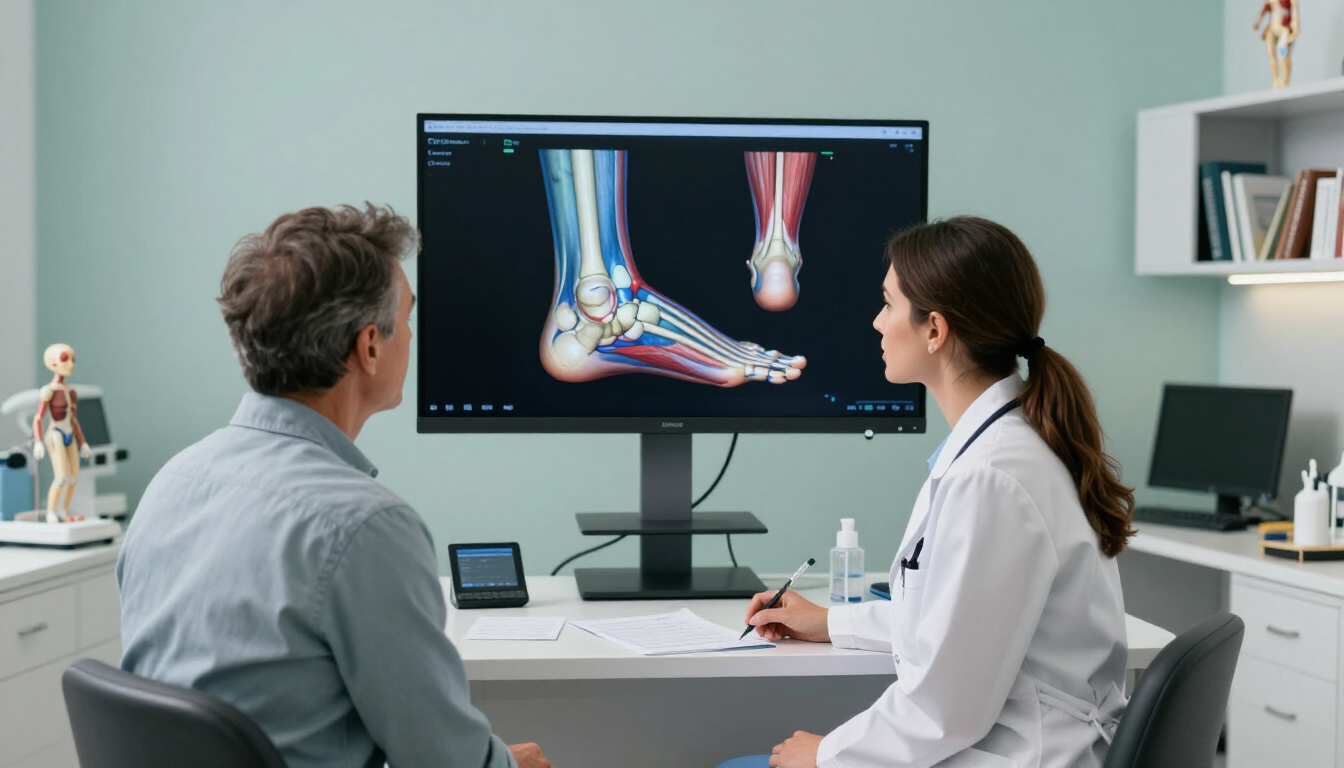
Diabetic foot care is a preventive health practice involving daily self-inspections, specialized footwear, and professional podiatric monitoring. It is essential for individuals with diabetes because high blood sugar causes nerve damage (neuropathy) and poor circulation, which prevent minor injuries from healing, leading to severe infections , ulcers, and potentially amputation.

Why is diabetic foot care so important?

Managing diabetes is a multifaceted challenge, and the feet are often the most vulnerable part of the body. The fundamental reason diabetic foot care carries such weight lies in the intersection of two physiological complications: neuropathy and peripheral vascular disease. When blood glucose levels remain elevated over time, they chemically damage the delicate fibers of the peripheral nerves. This condition, known as diabetic neuropathy, often begins as a tingling or burning sensation but eventually leads to a complete loss of feeling.

Without the ability to feel pain, a patient might walk for miles with a small pebble in their shoe or a blister forming on their heel without ever noticing. Under normal circumstances, pain acts as a biological alarm system, forcing us to stop and address an injury. In a diabetic patient, that alarm system is silenced. Consequently, a minor scrape can quickly escalate into deep wounds because the patient continues to put pressure on the injured area.

Furthermore, diabetes affects the circulatory system. High sugar levels cause the walls of the blood vessels to become thick and less flexible, a process that restricts blood flow to the extremities. Since blood carries the oxygen and nutrients necessary for tissue repair, a lack of circulation means that even a well-cleaned wound will struggle to heal. This combination of "not feeling the injury" and "not being able to heal the injury" creates a perfect storm where minor issues become life-threatening complications. Regular visits to Family Foot & Ankle Specialists are the first line of defense in monitoring these changes before they become irreversible.

How can I protect my feet daily?

Creating a rigid daily routine is the most effective way to mitigate the risks associated with diabetes. Because you cannot rely on your sense of touch, you must rely on your sense of sight. Every evening, you should perform a comprehensive foot inspection in a well-lit room. If you have mobility issues, use a mirror on the floor or ask a family member for assistance. You are looking for redness, swelling, blisters, or any change in skin color. Even a small warm spot can indicate the beginning of an internal infection.

Daily Foot Check

In addition to inspections, hygiene is paramount. Use the following five steps to maintain skin integrity:

  • Wash your feet daily in lukewarm (not hot) water using mild soap.
  • Dry your feet thoroughly, especially between the toes, to prevent fungus toenails .
  • Apply a moisturizing lotion to the tops and bottoms of the feet, but never between the toes.
  • Always wear moisture-wicking, seamless socks to reduce friction and keep skin dry.
  • Never walk barefoot, even inside your home, to avoid accidental punctures or scrapes.

Selecting the right footwear is also a critical component of diabetic foot care . Shoes should be purchased late in the afternoon when your feet are at their largest due to natural swelling. Look for shoes with a deep toe box that doesn't pinch the toes, as compression can lead to bunions or hammertoes . The goal is to eliminate any "hot spots" where the shoe rubs against the skin. If you have significant deformities or high-risk factors, our team may recommend custom orthotics or specialized diabetic shoes to redistribute pressure away from vulnerable areas.

Common Foot Problems for Diabetics

Diabetes changes the way the skin and nails behave. Because the sweat and oil glands in the feet stop working efficiently due to nerve damage, the skin can become extremely dry and prone to cracking. These cracks, or fissures, provide a doorway for bacteria to enter the body. When bacteria invade, the risk of cellulitis or a deep-tissue infection skyrockets.

Patients also frequently deal with calluses and corns . While these might seem like minor cosmetic annoyances to others, for a diabetic, a callus is a significant threat. Underneath a thick layer of dead skin, the pressure of walking can cause the underlying tissue to break down, forming a hidden ulcer. You should never attempt to trim a callus or corn yourself with a razor or over-the-counter "medicated" pads, as these chemicals can burn the skin and lead to a wound. Professional debridement at a podiatry office is the only safe way to manage these growths.

Ingrown toenails are another common concern. In a healthy individual, an ingrown nail is painful and requires a minor procedure. In a diabetic, the same ingrown nail can lead to a localized infection that the body cannot fight off, potentially spreading to the bone (osteomyelitis). Similarly, fungus toenails can cause the nail to become brittle and sharp, which may inadvertently cut the surrounding skin. Regular maintenance by a professional ensures that nails are trimmed safely and any signs of infection are caught early.

What should I look for during a foot inspection?

When performing your daily check, you should be a detective for your own health. Any change, no matter how subtle, is worth noting. Look for changes in temperature; if one foot feels significantly warmer than the other, it may indicate inflammation or infection. Look for changes in the shape of your foot. A condition called Charcot foot can occur when the bones in the foot weaken and shift, causing the arch to collapse. This requires immediate immobilization to prevent permanent deformity.

Pay close attention to your toenails. Discoloration, thickening, or crumbling are signs of a fungal infection that needs treatment. Also, check for "drainage" on your socks. If you notice a yellow or clear stain on your socks, it means a wound has opened even if you don't feel pain. This is a medical emergency for a diabetic patient and requires a visit to Family Foot & Ankle Specialists immediately.

Professional Support at Family Foot & Ankle Specialists

At our offices in Ashburn , McLean , Fairfax , and Reston , we provide advanced diagnostic and treatment options tailored to diabetic patients. We use state-of-the-art technology to assess your circulation and nerve function. If you are struggling with a non-healing wound, we offer specialized therapies such as MLS Laser therapy to stimulate cellular repair and EPAT to increase blood flow to the area.

Our team, including Dr. Richard S. Mendelsohn and Dr. Michael Petranek , works collaboratively with your primary care physician and endocrinologist. We believe in a proactive approach—treating the small issues today so they don't become the surgeries of tomorrow. Whether it is routine nail care or complex wound management, our goal is to keep you active and on your feet.

Podiatrist Consultation

Summary of Diabetic Foot Care Best Practices

Maintaining your mobility while living with diabetes requires a commitment to vigilance and professional partnership. By understanding that your feet need extra attention due to the hidden effects of neuropathy and poor circulation, you can prevent the majority of complications before they start.

Key Takeaways for Your Health:

  • Inspect daily: Use mirrors or help from others to see every part of your foot.
  • Prioritize professional care: Schedule regular check-ups even if your feet feel fine.
  • Choose footwear wisely: Never go barefoot and wear properly fitted, diabetic-friendly shoes.
  • Moisturize carefully: Keep skin supple to avoid cracks but keep the area between toes dry.
  • Act quickly: Contact a podiatrist immediately if you notice redness, swelling, or drainage.

If you have questions about your foot health or need a comprehensive diabetic foot exam, contact us today to schedule an appointment at one of our Northern Virginia locations. We are here to help you navigate your journey with diabetes safely and comfortably.

By VIV Builder April 9, 2026
Stay active and pain-free this Foot Health Awareness Month. Learn about heel pain, orthotics, diabetic foot care, and sports injury treatment options.

By VIV Builder April 1, 2026
Achilles tendonitis can develop gradually, causing heel pain and stiffness that worsens over time. Learn the warning signs and how a podiatrist can help you get back on your feet.
By VIV Builder March 5, 2026
Ingrown toenails are a common foot condition that can start as a minor irritation and quickly become painful. Learn more about how we can help with ingrown toenails.
By VIV Builder February 19, 2026
Ankle sprains are one of the most common foot and ankle injuries, yet they're often brushed off as no big deal. The truth is, even a mild sprain deserves proper care.
By VIV Builder February 5, 2026
Show Your Feet Some Love This February

By VIV Builder January 23, 2026
Understanding Podiatry Many people experience foot or ankle pain at some point, but they are not always sure where to turn for care. A podiatrist is a medical doctor who specializes in diagnosing and treating conditions of the foot and ankle. Their goal is to help patients move comfortably, stay active, and avoid pain that interferes with daily life. Podiatrists receive specialized medical training focused entirely on the feet and ankles. Because these areas support the entire body, even minor issues can have a big impact if left untreated. What Conditions Do Podiatrists Treat? Podiatrists treat a wide range of foot and ankle conditions for patients of all ages. From common concerns like heel pain and ingrown toenails to more complex issues such as sports injuries and diabetic foot conditions, podiatrists are trained to handle both routine and advanced care. They also address structural problems, skin and nail conditions, and injuries that affect mobility. By identifying the root cause of foot or ankle pain, podiatrists help patients find long-term relief rather than temporary fixes. When Should You See a Podiatrist? Foot pain is not something you have to live with. If you notice ongoing discomfort, changes in how you walk, or issues with your toenails or skin, it may be time to see a podiatrist. Early care can help prevent small problems from becoming more serious and can reduce recovery time. Patients with diabetes should also see a podiatrist regularly to help prevent complications and maintain foot health. What to Expect During Your Visit During a podiatry appointment, your provider will take time to understand your symptoms and lifestyle. They will examine your feet and ankles and may recommend imaging or other tests if needed. Based on their findings, they will create a personalized treatment plan tailored to your needs. Many podiatry treatments can be done in the office, allowing patients to return to normal activities quickly. Why Foot Health Matters Your feet play a major role in your overall health. Ongoing foot or ankle pain can lead to posture changes and strain on the knees, hips, and lower back. Proper foot care helps keep your entire body moving the way it should. Seeing a podiatrist is an important step in maintaining mobility and preventing future problems. Take the Next Step Toward Better Foot Health If foot or ankle pain is affecting your daily life, a podiatrist can help. With the right care and treatment, many conditions can be managed or resolved. Scheduling an appointment with a podiatrist is a simple step that can make a lasting difference in your comfort and mobility.

By VIV Builder January 9, 2026
A New Year Shouldn’t Start With Pain The beginning of a new year often comes with fresh goals—being more active, feeling healthier, and getting back to routines you enjoy. But heel pain can quickly get in the way. When every step hurts, even small tasks can feel frustrating. Heel pain is one of the most common foot issues treated by podiatrists. Many people try to ignore it or hope it will go away on its own, but without proper care, heel pain often lingers or gets worse over time. Why Heel Pain Happens Heel pain can develop for several reasons, and it often builds gradually. One of the most common causes is plantar fasciitis, which occurs when the tissue supporting the arch of the foot becomes inflamed. Other causes may include strain on the Achilles tendon, wearing shoes without proper support, or spending long hours on your feet. Pain is often most noticeable in the morning or after long periods of rest. While it may ease as you move around, it tends to return and can worsen without treatment. Common Conditions Linked to Heel Pain While heel pain feels similar for many people, the underlying cause can vary. Some of the most common conditions include: Plantar fasciitis Heel spurs Achilles tendon irritation Overuse or repetitive strain injuries Identifying the exact cause is key to getting the right treatment and long-term relief. Why Early Treatment Matters Ignoring heel pain can lead to changes in the way you walk. Over time, this can place added stress on your ankles, knees, hips, and lower back. What starts as foot pain can turn into discomfort throughout your body. Seeing a podiatrist early can help prevent these issues and reduce recovery time. Most heel pain can be treated without surgery when addressed promptly. How a Podiatrist Can Help A podiatrist specializes in foot and ankle care and can create a treatment plan tailored to your needs. Treatment may include stretching exercises, custom orthotics, footwear guidance, or other therapies designed to reduce pain and inflammation. With the right approach, many patients begin to feel relief and regain mobility. Step Into the New Year With Confidence Heel pain does not have to define your year. With proper care and treatment, you can move more comfortably and get back to doing the things you enjoy. If heel pain is holding you back, schedule a visit with a podiatrist and take the first step toward a healthier, pain-free new year.

December 18, 2025
A new year is the perfect time to focus on your health—starting from the ground up. As we head into 2026, taking care of your feet can help you stay active, comfortable, and ready for everything the year brings.  Why Foot Health Matters in the New Year Healthy feet support your overall mobility and daily comfort. Common foot problems can make walking, standing, and even simple activities difficult. Early care can prevent small issues from becoming bigger ones. You may benefit from a podiatry visit if you have: Heel or arch pain Flat feet or high arches Foot or ankle injuries Toenail problems Corns, calluses, or skin issues Pain that keeps coming back How We Help You Start the Year Strong Our podiatry team provides: Comprehensive Foot Exams to identify pain or concerns Treatment Plans for chronic or sudden foot issues Custom Orthotics for support and alignment Footwear Guidance to reduce discomfort and improve stability Preventive Care to keep your feet healthy long-term Start 2026 With Healthy, Pain-Free Feet Make this the year you put your foot health first. Schedule an appointment today to address any concerns and step into 2026 with confidence, comfort, and support.

December 4, 2025
December is the season of giving, and there’s no better gift than comfort. If you’re looking for something meaningful, helpful, and long-lasting, custom orthotics are a great choice. They support the feet, improve balance, and make everyday activities easier and more comfortable. Why Orthotics Make a Great Gift Many people struggle with foot pain, tired feet, or discomfort when walking or standing. Custom orthotics can help by: Reducing foot, heel, and arch pain Providing better alignment and support Improving comfort during work, exercise, and daily routines Helping prevent future foot problems They are a thoughtful gift for anyone—especially those who stay on their feet all day, enjoy being active, or dealing with ongoing foot issues. How Our Team Can Help Our podiatry team offers: Custom Orthotic Fittings tailored to your foot shape and needs Foot Evaluations to identify pain points and pressure areas Supportive Shoe Recommendations for everyday comfort Ongoing Care for long-term foot health Give Comfort This Christmas If you’re searching for a gift that truly helps someone feel better, custom orthotics are a smart and meaningful choice. Contact our office to schedule an appointment or learn more about how orthotics can bring comfort all year long.
November 7, 2025
November marks National Diabetes Awareness Month , a time dedicated to raising awareness, supporting those affected, and sharing ways to live healthier with diabetes. With diabetes impacting millions of Americans, proactive foot care remains one of the most important—and often overlooked—parts of diabetes management. Why Foot Health Matters Diabetes can affect the feet in several ways, and early prevention is key. High blood sugar levels may lead to: Nerve damage (neuropathy) that causes numbness, tingling, or loss of sensation Reduced blood flow , slowing the healing process Higher risk of infections, wounds, and ulcers , which can become serious if left untreated Healthy, routine foot care can help prevent complications and support mobility, comfort, and long-term wellness. How Our Podiatry Team Supports Diabetic Foot Health We provide comprehensive diabetic foot care to protect, prevent, and treat foot-related concerns, including: Routine Diabetic Foot Exams Early detection and intervention to address concerns before they become more serious. Custom Orthotics Personalized support to improve balance, relieve pressure points, and enhance walking comfort. Advanced Wound Care Specialized treatment plans for wounds, ulcers, or injuries to promote faster healing and reduce risks. Footwear Guidance Recommendations for proper shoes and inserts designed to prevent irritation, friction, and injury. We’re Here to Help You Stay Healthy Caring for your feet is an essential part of staying active, independent, and healthy with diabetes. Whether you have questions about preventive care, footwear, or treatment options, our podiatrists are here to guide and support you every step of the way. This month is a great time to schedule a diabetic foot check or talk with us about ways to keep your feet protected year-round. Together, we can work toward better foot health and a healthier life with diabetes.
Show More