

5 Benefits of MLS Podiatric Therapy

November 16, 2026

MLS podiatric therapy is a noninvasive treatment that uses targeted light energy to support the body’s healing response in painful or inflamed foot and ankle tissues. Its potential benefits include reduced pain, less inflammation, improved circulation, and easier recovery without incisions or medication-related side effects.

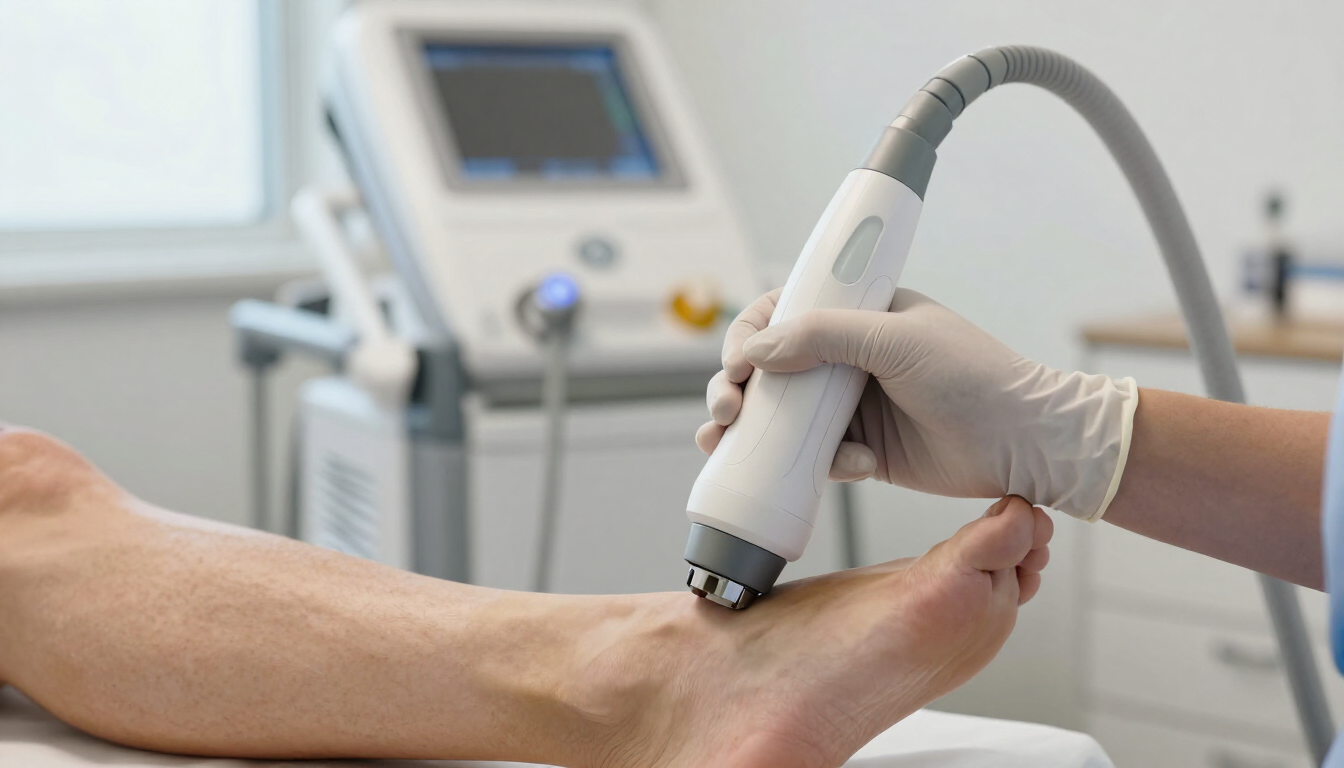
MLS podiatric therapy laser treatment in a comfortable podiatry office

What Is MLS Podiatric Therapy?

MLS podiatric therapy is a form of low-level laser treatment designed to help manage pain and inflammation in the feet and ankles. “MLS” refers to Multiwave Locked System technology, which combines specific light wavelengths to deliver energy to targeted tissues.

Unlike surgery, MLS laser therapy does not cut the skin or remove tissue. Unlike some medications, it is applied locally to the area being treated. The goal is to support cellular activity, circulation, and tissue repair while making movement more comfortable.

Treatment recommendations depend on your symptoms, health history, diagnosis, and response to care. A podiatric evaluation is important because foot or ankle pain can have several possible causes.

What Are the Benefits of MLS Podiatric Therapy?

The potential benefits of MLS podiatric therapy may include:

  1. Pain relief: Laser energy may help calm pain signals and reduce discomfort associated with irritated tissues.
  2. Reduced inflammation: Treatment may support the body’s response to swelling and inflammation.
  3. Improved local circulation: Increased blood flow can help deliver oxygen and nutrients to an area that needs support.
  4. Support for tissue recovery: MLS therapy may encourage cellular activity involved in the healing process.
  5. A noninvasive treatment option: Sessions do not require incisions, injections, or a lengthy recovery period.

Results vary. MLS laser therapy is often most useful as part of a broader treatment plan rather than as a stand-alone solution for every condition.

How Does MLS Laser Therapy Help Foot and Ankle Pain?

MLS laser therapy delivers controlled light energy to a specific area. Depending on the condition, this energy may help influence cellular function, circulation, inflammation, and pain sensitivity. The treatment is designed to support natural healing rather than mechanically correct a structural problem.

For example, a patient with soft-tissue irritation may benefit from reduced inflammation and improved comfort. Someone with a more complex injury may need imaging, immobilization, physical therapy, or another intervention in addition to laser treatment.

MLS therapy may be considered for concerns such as:

  • Tendon irritation, including some cases of Achilles tendonitis
  • Certain sports or overuse injuries
  • Joint or soft-tissue discomfort associated with an arthritic foot
  • Some forms of heel pain, including symptoms related to heel spurs
  • Localized inflammation affecting the foot or ankle

A specialist should determine whether the underlying problem is appropriate for MLS podiatric therapy.

What Can You Expect During an MLS Therapy Session?

An appointment usually begins with a review of your symptoms and a focused examination. Your provider may ask when the pain started, what makes it worse, and whether you have tried other treatments.

During treatment, the laser applicator is positioned over the affected area. Most patients describe the session as comfortable. You may feel mild warmth, but the treatment should not involve cutting or puncturing the skin.

Your provider will explain:

  • Which area will be treated
  • How long the session may take
  • How many sessions may be recommended
  • What activities are appropriate between appointments
  • When your progress should be reassessed

The number of treatments varies according to the condition and treatment goals. Keep following any guidance about footwear, activity, stretching, icing, medication, or home care.

Patient receiving targeted MLS laser therapy for an ankle condition

Is MLS Podiatric Therapy Safe?

MLS therapy is generally considered a low-risk, noninvasive treatment when used appropriately by a qualified medical professional. It does not create an open wound, and many people return to normal activities immediately unless their provider recommends temporary restrictions.

However, “noninvasive” does not mean appropriate for everyone. Tell your podiatrist about your medications, medical conditions, pregnancy status, implanted devices, and any changes in your symptoms. Your provider can explain whether MLS laser therapy is suitable and whether precautions are needed.

Seek prompt medical attention for severe swelling, inability to bear weight, spreading redness, fever, sudden numbness, or an open wound. These symptoms may require evaluation beyond laser treatment.

MLS Therapy Compared With Other Foot Treatments

MLS podiatric therapy is one option within a larger range of foot and ankle care. The best treatment depends on the diagnosis and may include several approaches at once.

  • MLS laser therapy: May support pain control, inflammation management, and recovery without an incision.
  • Activity modification: Reducing aggravating activities can give irritated tissues time to recover.
  • Orthotics or footwear changes: Supportive devices may improve pressure distribution and alignment.
  • Physical therapy: Stretching, strengthening, balance work, and mobility exercises may address contributing factors.
  • Procedures or surgery: Some structural or severe conditions require a different level of treatment.

Our MLS Laser service page provides additional information about this treatment option. We also offer EPAT and Remy Laser Therapy , which may be considered for different clinical needs. These technologies are not interchangeable, so an evaluation helps identify the most appropriate path.

Who May Benefit From MLS Podiatric Therapy?

People with localized foot or ankle pain, inflammation, or soft-tissue irritation may be candidates. It may be especially appealing to patients seeking a conservative option that does not involve an incision or extended downtime.

MLS therapy may be discussed for patients managing:

  • Persistent heel or arch discomfort
  • Tendon or ligament irritation
  • Recovery after certain injuries
  • Inflammation associated with arthritis
  • Pain that limits walking, exercise, or daily activity

Your provider must first identify the cause of the symptoms. For example, diabetic foot care may require specialized monitoring, while a suspected fracture may need imaging and stabilization. Laser therapy should not delay appropriate diagnosis or urgent care.

How Can Our Northern Virginia Podiatrists Help?

Family Foot & Ankle Specialists provides personalized foot and ankle treatment in a comfortable, convenient setting throughout Northern Virginia. Our physicians listen to your concerns, evaluate the source of your symptoms, and explain available options clearly.

An appointment can help you understand:

  • Whether MLS therapy fits your diagnosis
  • What other conservative treatments may help
  • How to protect the area during recovery
  • What improvement may reasonably look like
  • When follow-up care or additional testing is needed

You can learn more through our Services , meet our podiatrists , or contact our office to discuss your symptoms. We serve patients at offices in Ashburn , McLean , Fairfax , and Reston .

Frequently Asked Questions

How long does MLS podiatric therapy take?

Individual sessions are typically brief, but treatment length and frequency depend on your condition, goals, and response. Your podiatrist will recommend a schedule after evaluation.

Does MLS laser therapy hurt?

MLS therapy is generally comfortable. Some patients notice mild warmth during treatment, but it does not involve an incision or needle.

How quickly will I see results?

Some people notice comfort changes early, while others require a series of treatments. The timeline depends on the underlying condition and whether additional care is needed.

Can MLS therapy replace surgery?

Not always. MLS therapy may help selected conditions, but it cannot correct every structural problem. A specialist can explain whether conservative care is reasonable or whether another treatment is necessary.

Key Takeaways

MLS podiatric therapy is a noninvasive option that may help reduce pain and inflammation while supporting recovery in selected foot and ankle conditions. It may be useful for people who want conservative care, but its value depends on an accurate diagnosis and individualized plan. If pain persists, limits activity, or is accompanied by swelling, redness, numbness, or an open wound, schedule an evaluation rather than self-treating. A Family Foot & Ankle Specialists podiatrist can assess your symptoms, compare treatment options, and help you choose the safest next step.

Achilles tendon injuries evaluated by a podiatrist
November 9, 2026
Learn how podiatrists diagnose and treat Achilles tendon injuries, from tendinitis and strains to tears, and how to return safely to activity.

A person walking on a sunny beach representing summer foot health.
June 18, 2026
Discover 5 essential summer foot care tips to protect your feet from heat, sun, and injury. Learn expert podiatry advice for healthy feet during the summer months.

Supportive summer sandals on a wooden surface
April 30, 2026
Learn how to avoid summer foot pain by choosing the right sandals. Expert advice from Family Foot & Ankle Specialists for sandal wearers and diabetic patients in Northern Virginia.

Professional diabetic foot examination at Family Foot & Ankle Specialists
April 17, 2026
Learn why diabetic foot care is essential for preventing infections and amputations. Follow our expert guide to maintaining foot health with diabetes in 2026.

By VIV Builder • April 9, 2026
Stay active and pain-free this Foot Health Awareness Month. Learn about heel pain, orthotics, diabetic foot care, and sports injury treatment options.

By VIV Builder • April 1, 2026
Achilles tendonitis can develop gradually, causing heel pain and stiffness that worsens over time. Learn the warning signs and how a podiatrist can help you get back on your feet.

By VIV Builder • March 5, 2026
Ingrown toenails are a common foot condition that can start as a minor irritation and quickly become painful. Learn more about how we can help with ingrown toenails.

By VIV Builder • February 19, 2026
Ankle sprains are one of the most common foot and ankle injuries, yet they're often brushed off as no big deal. The truth is, even a mild sprain deserves proper care.

By VIV Builder • February 5, 2026
Show Your Feet Some Love This February

By VIV Builder • January 23, 2026
Understanding Podiatry Many people experience foot or ankle pain at some point, but they are not always sure where to turn for care. A podiatrist is a medical doctor who specializes in diagnosing and treating conditions of the foot and ankle. Their goal is to help patients move comfortably, stay active, and avoid pain that interferes with daily life. Podiatrists receive specialized medical training focused entirely on the feet and ankles. Because these areas support the entire body, even minor issues can have a big impact if left untreated. What Conditions Do Podiatrists Treat? Podiatrists treat a wide range of foot and ankle conditions for patients of all ages. From common concerns like heel pain and ingrown toenails to more complex issues such as sports injuries and diabetic foot conditions, podiatrists are trained to handle both routine and advanced care. They also address structural problems, skin and nail conditions, and injuries that affect mobility. By identifying the root cause of foot or ankle pain, podiatrists help patients find long-term relief rather than temporary fixes. When Should You See a Podiatrist? Foot pain is not something you have to live with. If you notice ongoing discomfort, changes in how you walk, or issues with your toenails or skin, it may be time to see a podiatrist. Early care can help prevent small problems from becoming more serious and can reduce recovery time. Patients with diabetes should also see a podiatrist regularly to help prevent complications and maintain foot health. What to Expect During Your Visit During a podiatry appointment, your provider will take time to understand your symptoms and lifestyle. They will examine your feet and ankles and may recommend imaging or other tests if needed. Based on their findings, they will create a personalized treatment plan tailored to your needs. Many podiatry treatments can be done in the office, allowing patients to return to normal activities quickly. Why Foot Health Matters Your feet play a major role in your overall health. Ongoing foot or ankle pain can lead to posture changes and strain on the knees, hips, and lower back. Proper foot care helps keep your entire body moving the way it should. Seeing a podiatrist is an important step in maintaining mobility and preventing future problems. Take the Next Step Toward Better Foot Health If foot or ankle pain is affecting your daily life, a podiatrist can help. With the right care and treatment, many conditions can be managed or resolved. Scheduling an appointment with a podiatrist is a simple step that can make a lasting difference in your comfort and mobility.

Show More